Ultimate Pregnancy Survival Guide for New Moms: You’ve Got This!
Pregnancy is magical… and exhausting, confusing, emotional, and absolutely wild. Whatever stage of pregnancy you’re in, the thick of morning sickness or finally having enough energy to just live again, or even counting down the days until you meet your little one, this guide is here to help you survive (and maybe even enjoy!) every part of it. Having a checklist can help make life just a bit easier for yourself. In this pregnancy survival guide, I’ll share my secrets for a smoother 9 months.
Being a mom requires some level of organization and preparedness. Let’s face it, there’s really nothing “easy” or “smooth” about pregnancy and motherhood. As a first time mom, half of my camera roll during my pregnancy was screenshots of all the how-to guides, lists, and tip charts for everything pregnancy and baby related.
Pregnancy is a beautifully unique experience for each woman, however there are common milestones and changes that most expectant mothers can expect. Whether you’re in the first trimester or nearing your due date, I’ve got you covered. My goal is to help you survive and thrive during this journey.
Building Your Essential Support Network
A strong support network is sooo important for a positive pregnancy experience. As strong as we are as women, we cannot do this journey alone. Finding a good healthcare provider, whether it be an OB-GYN, a midwife, doula, etc. to answer all your technical questions is key in becoming comfortable with your pregnancy, labor and delivery. Family and friends who can offer emotional support and guidance throughout your journey can help ease the mental load you’ve taken on. DO NOT BE AFRAID TO ASK FOR HELP!
Pregnancy Survival: First Trimester- Literally Just Surviving
Expectant mothers often face a myriad of symptoms during the first trimester, making it a crucial time for support and guidance. This period is characterized by significant physical and emotional changes that can be challenging to navigate. It truly is a period of time where you are in pregnancy survival mode.
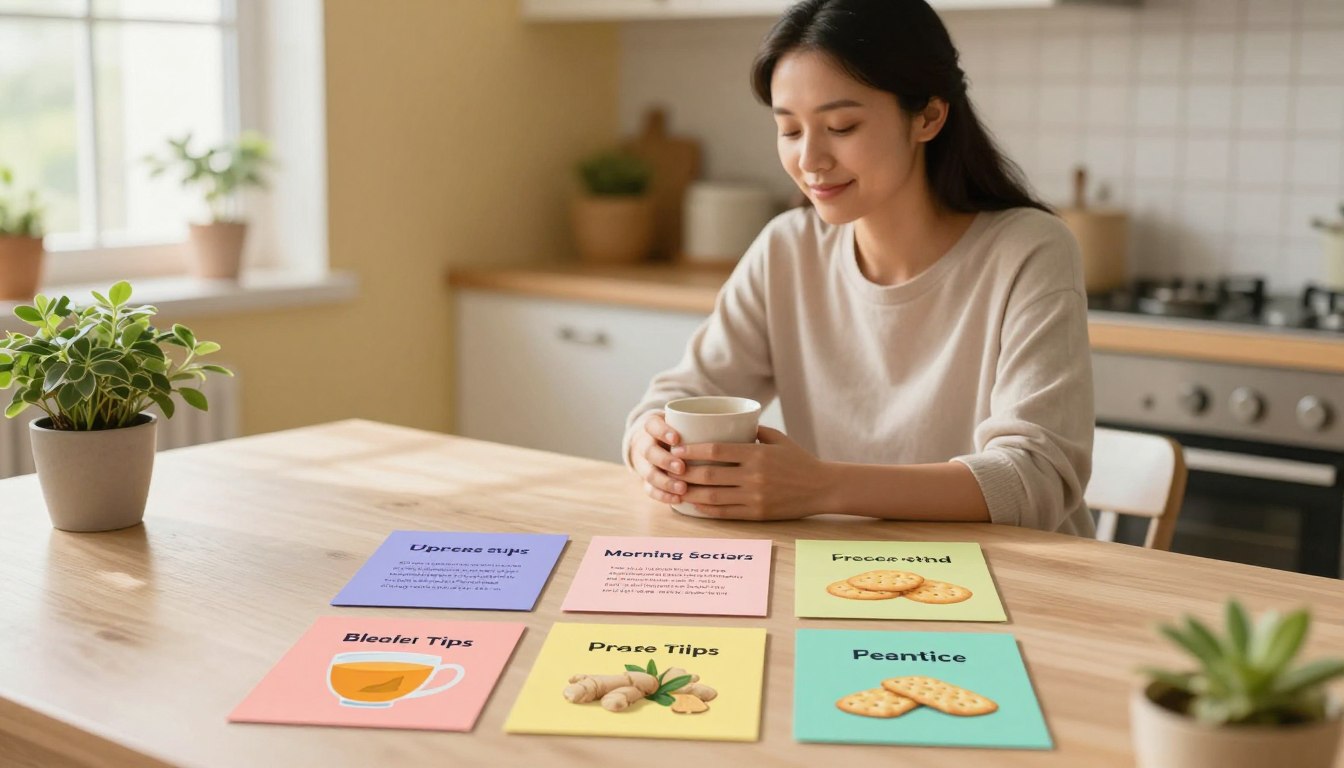
Morning Sickness Relief: Strategies That Actually Work
Morning sickness can be a significant obstacle for pregnant women, but understanding the right relief strategies can make a substantial difference. Many expectant mothers experience nausea and vomiting during the early stages of pregnancy, but there are effective ways to manage these symptoms.
Natural Remedies and Supplements
Several natural remedies have been found to provide relief from morning sickness. These include:
Ginger-Based Solutions
Ginger has been used for centuries to alleviate nausea. It can be consumed in various forms, such as ginger tea, ginger ale, or ginger candies. Ginger’s natural properties help soothe the stomach and reduce vomiting.
Vitamin B6 and Other Helpful Supplements
Vitamin B6 supplements have been shown to be effective in reducing morning sickness symptoms. Other helpful supplements include vitamin B12 and magnesium. However, it’s essential to consult with a healthcare provider before taking any supplements during pregnancy.
Dietary Adjustments to Reduce Nausea
Making dietary changes can also help alleviate morning sickness. Eating small, frequent meals throughout the day can help manage nausea. Avoiding strong-smelling foods and opting for bland, easily digestible foods like crackers or toast can also provide relief.
When to Seek Medical Help for Hyperemesis Gravidarum
While morning sickness is typically a normal part of pregnancy, some women may experience a more severe condition known as hyperemesis gravidarum. This condition is characterized by persistent and severe vomiting, leading to dehydration and weight loss. If symptoms persist or worsen, it’s crucial to seek medical help to prevent complications.
Foods That Help Settle Your Stomach
Incorporating certain foods into your diet can help alleviate morning sickness. Ginger, for instance, is known for its soothing effects on the stomach. Other beneficial foods include bland carbohydrates like crackers and toast.
- Ginger
- Bland carbohydrates (crackers, toast, rice, etc.)
- Lemons
Timing Your Meals for Symptom Relief
Eating smaller, more frequent meals can help manage morning sickness. Avoiding heavy meals and strong-smelling foods can also provide relief. I tried to eat a little something every 2 hours and it helped keep my nausea under control.
Coping with Extreme Fatigue
Extreme fatigue is another common symptom during the first trimester. Listening to your body and getting plenty of rest is crucial. A huge part of pregnancy survival is prioritizing sleep and taking short naps during the day can help manage fatigue.
Navigating Emotional Changes and Mood Swings
The first trimester can also be emotionally challenging, with many women experiencing mood swings. Connecting with loved ones and engaging in relaxing activities can help stabilize emotions.
By implementing these strategies, expectant mothers can better navigate the challenges of the first trimester, making this period more manageable and enjoyable.
By incorporating these strategies into their daily routine, expectant mothers can find significant relief from morning sickness and enjoy a healthier pregnancy.
Pregnancy Survival: Second Trimester-Enjoying the “Golden Period”
With the first trimester’s morning sickness behind you, the second trimester brings a welcome surge in energy, making it an ideal time to prepare for your baby’s arrival. This period, often referred to as the “golden period,” is characterized by increased vitality and a sense of renewed well-being. Finally out of the pregnancy survival mode, you enter the pregnancy thrive mode!
Energy Management During Months 4-6
During months 4-6, it’s essential to manage your energy levels effectively. Listen to your body and take breaks when needed. Engaging in regular physical activity, such as prenatal yoga or swimming, can help maintain your energy levels. I swear I was able to handle my pregnancy well enough because movement was a pregnancy survival non-negotiable.

Dealing with Expanding Body Changes
As your body expands, you may encounter various physical changes. Two common issues during this period are stretch marks and round ligament pain.
Stretch Mark Prevention
To minimize the appearance of stretch marks, keep your skin moisturized using a rich, hydrating lotion or oil. Massaging your belly can also improve skin elasticity. “Consistency is key when it comes to stretch mark prevention,” says a skincare specialist.
Managing Round Ligament Pain
Round ligament pain is a common discomfort during the second trimester. To alleviate this pain, try changing positions slowly, applying heat to the affected area, or practicing gentle stretches. Staying hydrated can also help reduce muscle cramps and discomfort.
Preparing for Baby
Once the third trimester hits, your motivation to do anything may suddenly disappear. I know mine ran away and I couldn’t find it anywhere. Second trimester is when I tried to get most of my post partum/baby situations situated. I got started on the nursery, planned out a few post partum freezer meals (wrote them out, not made yet), and organized my postpartum self care.
Pregnancy Survival: Sleep Tips for Restful Nights
Sleep is a key component of a healthy pregnancy, affecting both physical and mental well-being. Unfortunately, sleep can be fleeting during pregnancy, no matter what trimester you’re in (sucks, I know!). There are a few things you can do to improve your quality of sleep.
Sleeping Positions for Your Santa Belly
As your belly grows, sleeping on the back can become uncomfortable and potentially harmful due to the pressure on the spine and major blood vessels. Side sleeping, particularly the left side, is recommended. It improves circulation to the heart and allows for optimal blood flow to the fetus, uterus, and kidneys. Sleeping on the left side could also help ease heart burn. Heads up, you may feel like a rotisserie chicken flipping from side to side every night, but its worth it to be comfortable and safe!
Pregnancy Sleep Support
This is the stage where your partner may start to resent how much space you take up in the bed. Move over hubbies, the pregnancy pillows are coming in hot for the next few months! The right sleeping support products can make a night and day difference in your quality of sleep. Once again, sleep is vital in pregnancy survival.
Pregnancy Pillow Options
- Full-body pillows provide support for arms, legs, and belly; cradling the entire body for side sleeping
- Wedge pillows offer targeted support, ideal for alleviating pressure on specific areas and aid in reducing heartburn
- C-shaped and U-shaped pillows provide support for both the front and back of the body, useful for side sleepers.
The Ideal Sleep Environment
The most sleep friendly environments are cool, dark and quiet. Blackout or almost fully blackout curtains are great especially in the summers when it’s light until almost 10 pm (I went to bed at 7:30 pm some nights of my pregnancy and the curtains were amazing). If you are someone that likes a little noise when you sleep, a sound machine can be a smart investment. I do prefer brown noise over white noise, brown noise is a lower frequency so I find it more helpful for inducing sleep.
Managing Frequent Bathroom Trips
Staying hydrated is essential during your pregnancy, HOWEVER, Limiting fluid intake before bedtime can help reduce nighttime awakenings. I would chug water while I watched TV or read before bedtime and I paid for it bigtime. Some nights I was getting up every 1.5 hours to pee. Take it from me, don’t do that to yourself.
Do whatever you need to as a pregnant mama to make sure you get your beauty sleep!
Maternity Fashion: Comfortable and Stylish Outfit Ideas
Thank heavens for the time we live in. Sometimes, pregnancy survival is as simple as putting a cute outfit on that doesn’t make you feel like an oompa loompa. Maternity fashion has come a very long way in recent years. The biggest tip for maternity fashion is wear whatever you are comfortable in.
I was pregnant mostly through the fall and winter so I had a few cute warm outfits, but I mostly lived in leggings and oversized tops. If you want to wear moo-moos and bath robes, by all means, do it! If you want to wear cute tighter options that show off the belly, go for it! Pregnancy alone can be so uncomfortable, so whatever you feel good in is what you should wear.
Building a Versatile Maternity Wardrobe
There are a few staples that I recommend adding to your maternity wardrobe. This will give you a lot of options to chose from without you having to buy a whole closets worth of new clothes.
Essential Pieces
- Comfortable Jeans: Maternity jeans with adjustable waistbands or over-the-belly panels provide comfort and flexibility.
- Versatile Tops: Some “maternity” tops are just ugly, so I usually go for stretchy shirts or size up a little bit in non-maternity tops.
- Supportive Bras: This is the most important! As a women with a larger bust (34G when pregnant/breastfeeding, 34DDD non pregnant) supportive bras that don’t kill my neck were a MUST. I recommend Kindred Bravely, they are the only bras I wore the end of my pregnancy and throughout breastfeeding.
Pregnancy Survival: Third Trimester
The third trimester. Oh there is so much to say about the third trimester. Surviving the third trimester requires a combination of physical comfort and mental preparation. In this final stretch of your pregnancy, it’s essential to have strategies in place to manage discomfort, prep your home and mind for the baby, and understand the signs of labor.
Alleviating Back and Pelvic Pain
Back and pelvic pain are some of the most common complaints during this time. I haven’t met a woman that didn’t have any pain the last few months of her pregnancy. To lessen these discomforts, there are a few options. First, get a pregnancy support belt! This helps lift some of the belly weight to distribute it more evenly across your body and not just in your lower back.
Another option, as mentioned previously, moving your body throughout your pregnancy can help mitigate the discomforts at the end. Remember, DON”T OVERDO IT! Listen to your body.
Dealing with Swelling and Fluid Retention
Swelling and fluid retention are also common during this period. To manage this, be sure to stay hydrated! You can also elevate your feet if the swelling is picking up. I started to swell the last 2 months of my pregnancy, so I tried to elevate my feet every night for a little bit to help it go down.
Avoid standing for long periods of time, and be careful when traveling. Wearing compression socks can help improve blood flow and reduce swelling.
IF YOU HAVE PITTING EDEMA, this is where you gently push your finger into a swollen area and it stays temporarily indented for over 15 or so seconds, bring it up to your healthcare provider and have them check on it. This is when pregnancy survival can become an emergency. While edema (swelling) is common in the third trimester, if it becomes too severe, it could be a sign of other medical issues.
Recognizing Signs of Labor vs. Braxton Hicks
You will experience two types of contractions as you get closer to your due date. Braxton Hicks contractions are very irregular, and your belly will feel very hard to the touch. I would say there’s generally not pain associated with Braxton Hicks, it just feels like a tightness around your belly.
Labor contractions are regular, they start farther apart and grow closer together. The best way I can describe it is they feel like a very intense period cramp! You will feel these in your lower abdomen/pelvic area. I could tell the difference in my contractions as soon as I had an actual labor contraction. It just felt different than the Braxton Hicks.
Pregnancy Survival: Self-Care
Self-care looks different for everyone. Whatever your self-care looks like, keep it in your routine and/or add other forms of self care during your pregnancy. Motherhood is the most selfless act in the world, however it’s equally important to care for your own physical, mental, and emotional well-being. For me, when I am mentally and physically well, I am a much better mama to me little girl.
Physical Self-Care Rituals During Pregnancy
Physical self-care is vital during pregnancy. It helps manage the bodily changes and discomforts associated with this period.
Pregnancy Survival: Safe Exercise Options By Trimester
Remember, whatever activity you were doing pre-pregnancy is generally safe to continue in your pregnancy as long as you are not increasing the intensity. Always talk to your healthcare provider if you have any questions or concerns. My pregnancy survival non-negotiable was movement.
Listen to your body when you feel you need rest, but movement and exercise has so many positive effects on pregnancy and labor/delivery. If you were not very active pre-pregnancy, here are some gentle movement options!
- First Trimester: Gentle yoga, walking, and light stretching are excellent options.
- Second Trimester: Continue with low-impact exercises like swimming and prenatal yoga.
- Third Trimester: Focus on gentle stretching, hip opening exercises on an exercise ball, and breathing exercises.
Prenatal Massage and Body Treatments
As a massage therapist, I can confidently say prenatal massage can make a world of difference during your pregnancy. It is a wonderful tool to add to your “pregnancy survival kit”. It can help alleviate back/hip pain, reduce swelling, improve mood, and promote relaxation and sleep. Once you get to your second trimester, expect be placed in a side-lying position for the massage, depending on how big your belly is.
Pregnancy Survival: A Mental, Emotional, and Physical Game
Mental and emotional wellness are just as crucial as physical health. Meditation, deep breathing, and mindfulness can help manage stress and anxiety.
Embrace Your Journey
Yes, pregnancy is hard. Pregnancy survival takes lot of effort. It takes it’s toll on the body again and again. It is important to remember to focus on the good! There are so many people that would tell me “oh just wait until you can barely get out of bed” or “just wait until you cant see your feet” and on and on with the negativity.
Just wait until you hear the heartbeat for the first time.
Just wait until you feel that baby wiggling around in your belly.
Just wait until the ultrasounds when you get to see their faces and their little hands and feet.
Find the joy in the midst of your pregnancy journey!

FAQ
What are some effective ways to manage morning sickness during the first trimester?
To alleviate morning sickness, try natural remedies like ginger and vitamin B6, eat small frequent meals, and avoid trigger foods. Dietary adjustments such as opting for bland foods and staying hydrated can also help reduce nausea.
How can I get a good night’s sleep during pregnancy?
To sleep comfortably, try the best sleeping positions for your growing belly, use pillows and products for pregnancy sleep support, and address common sleep disruptors like heartburn and frequent bathroom trips.
What are some tips for building a versatile maternity wardrobe?
Invest in essential pieces like comfortable tops and leggings, and consider budget-friendly options like thrift shopping or borrowing from friends. Dressing for different occasions while pregnant can be achieved with a few stylish and comfortable pieces.
How can I manage discomfort during the third trimester?
To manage discomfort, try to stay active with safe exercises, practice relaxation techniques, and use comfortable clothing and supportive gear like belly bands or maternity pillows.
What are some self-care practices I can incorporate into my pregnancy journey?
Prioritize physical self-care with prenatal massage and safe exercise, focus on mental and emotional wellness with stress-reducing activities, and create moments of joy throughout your pregnancy with activities that bring you happiness.
How can I prepare for baby while feeling my best during the second trimester?
Take advantage of the “golden period” by preparing your home and mind for baby, managing energy levels, and dealing with expanding body changes like stretch marks and round ligament pain.
What are the signs of labor, and how can I distinguish them from Braxton Hicks?
Signs of labor include regular contractions, bloody show, and a sudden burst of energy. Braxton Hicks are typically irregular and may stop with rest or hydration. If you’re unsure, consult your healthcare provider.
How can I cope with extreme fatigue during the first trimester?
To manage fatigue, prioritize rest, take naps, and maintain a healthy diet. Avoid overexertion and ask for help when needed to conserve energy.
What are some budget-friendly maternity fashion solutions?
Consider thrift shopping, borrowing from friends, or investing in a few essential, versatile pieces that can be mixed and matched to create multiple outfits.